At the outset, let us examine the commonalities shared by photovoltaic panels and solar thermal collectors. There is often confusion between the two as both are typically mounted on building roofs and at ground level, utilizing specific structures for this function. Additionally, both systems harness the power of the sun.
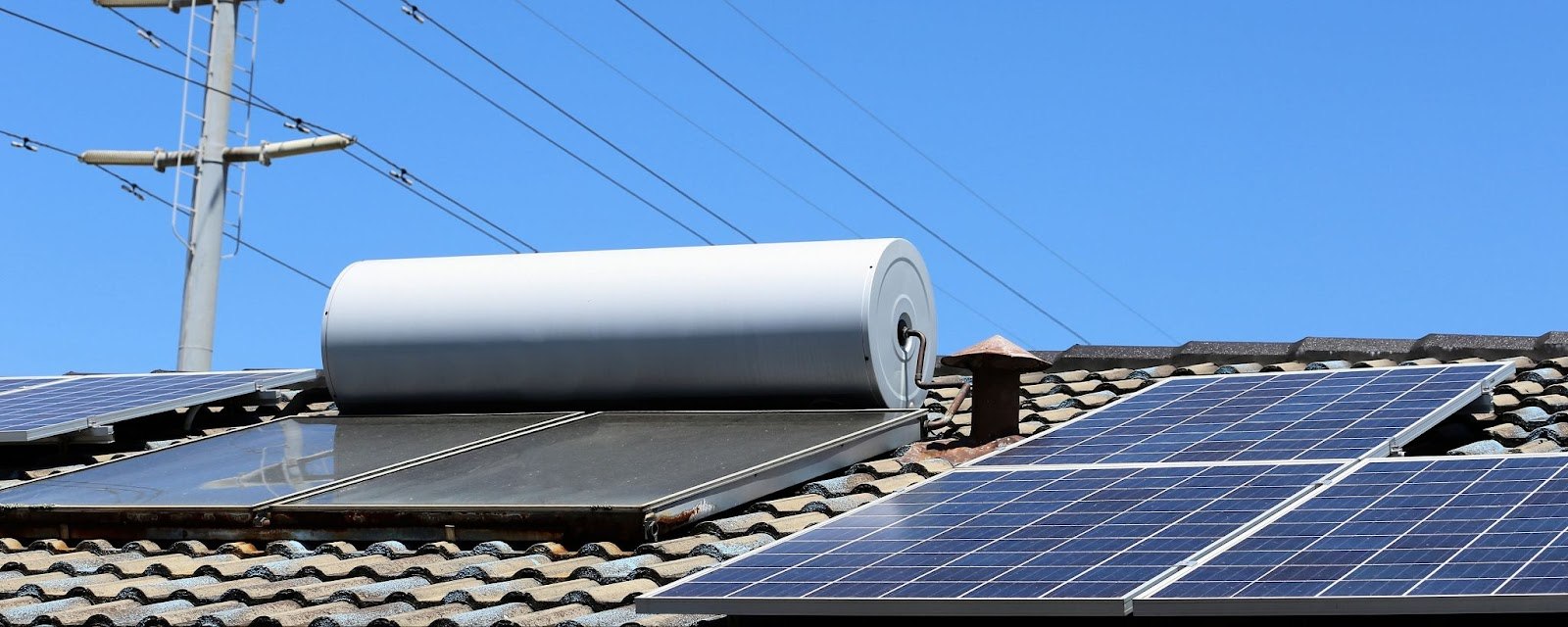
However, the similarities are limited as the two technologies absorb solar thermal energy for entirely different purposes. While photovoltaic panels are used for transforming thermal energy into electricity, solar panels convert solar radiation into heat. Therefore, these solutions do not compete but can rather complement one another.
Once you are aware of the difference between photovoltaics and solar panels, it is time to delve into the design of the two systems. Solar thermal collectors absorb solar radiation through an absorber, which then transfers energy to a medium - usually a water and glycol solution. The medium subsequently provides the exchanger with heat in the form of hot water.
Similar to photovoltaic systems, solar panels operate most efficiently when directed towards the south. However, solar thermal collectors are subject to certain limitations. They only function when the sun is shining, resulting in substantial heat losses on cloudy or cold days.
IMPORTANT UPDATE: Due to high demand, homeowners looking to check their eligibility need to have a valid phone number to verify their identity.
Comparing Strengths and Weaknesses of Photovoltaic Panels and Solar Thermal Collectors
When comparing solar panels and photovoltaic systems, it is crucial to assess the advantages and disadvantages of each technology. As you may be aware, solar thermal collectors have limited utility compared to photovoltaic systems, which can be used for heating water and supplying electrical equipment with free solar energy.
Advantages of photovoltaic systems:
- Operate year-round
- Enable energy independence
- Require minimal maintenance
- Eligible for subsidies
- Eco-friendly and renewable energy source
- Potential to reduce electricity bills
Weaknesses of photovoltaic systems:
- System performance is reliant on insolation
- High initial investment costs
- Electricity generation limited to daytime
- Need for dedicated installation area
- Profitability subject to legal regulations
Advantages of solar thermal collectors:
- Ability to produce hot water without requiring the heating system to be switched on
- Support of central heating systems
- Energy efficiency
- Maintenance-free and user-friendly operation
Weaknesses of solar thermal collectors:
- Primarily suitable for heating domestic hot water
- Heat generation limited to sunny days
- High initial investment costs
- Risk of stagnation or leakage of solar panels if the heat generated is not used effectively for domestic hot water.
The Cost of Solar Panels vs Photovoltaic Panels
When comparing solar panels and photovoltaic systems, it is important to consider the operating costs of both technologies. The initial cost of purchase must be taken into account for both systems, but solar panels generally have lower costs than photovoltaics. The total investment cost depends on various factors, including the type and quantity of cells used, the total capacity of the photovoltaic system, or the amount of heat needed from the solar thermal collector. Additionally, flat collectors are generally less expensive than vacuum collectors, and polycrystalline panels are less expensive than monocrystalline cells.
Both systems require minimal maintenance; however, operating costs may include annual system inspections, maintenance, and replacement of used cells or batteries. From an economic perspective, the payback period is a crucial consideration. Depending on the type of system and whether external subsidies were provided, an investment in solar panels or photovoltaic systems may pay back within a few years, or it could take a decade or more.
Conclusion: Which One to Choose?
Determining whether to choose solar panels or photovoltaic panels depends on individual needs and a cost-benefit analysis. If the priority is to heat domestic hot water, support the heating system, or combine the solar system with a heat pump or condensation boiler, then investing in photovoltaic collectors is a good idea. However, if the goal is to become independent of the grid electricity supply, lower electricity bills, and use a renewable energy source for different purposes, then a residential photovoltaic system may be a better fit. It is important to carefully consider the specific usage of the solar system and perform a cost-benefit analysis. Solar thermal collectors can produce domestic hot water in the summer without using heating equipment, while a residential photovoltaic system can provide electricity year-round and store excess energy in the grid.
How To Get Started
- Select your state below to get a free quote
- Complete the short questionnaire (takes about a minute) and you will be connected with a local pro to discuss savings!
- Review local state and utility incentives / rebate options available to maximize your savings!*
Select Your State